Gemstones in Ancient Times: Origins, Uses, and Timeless Meaning

Updated: Apr 16
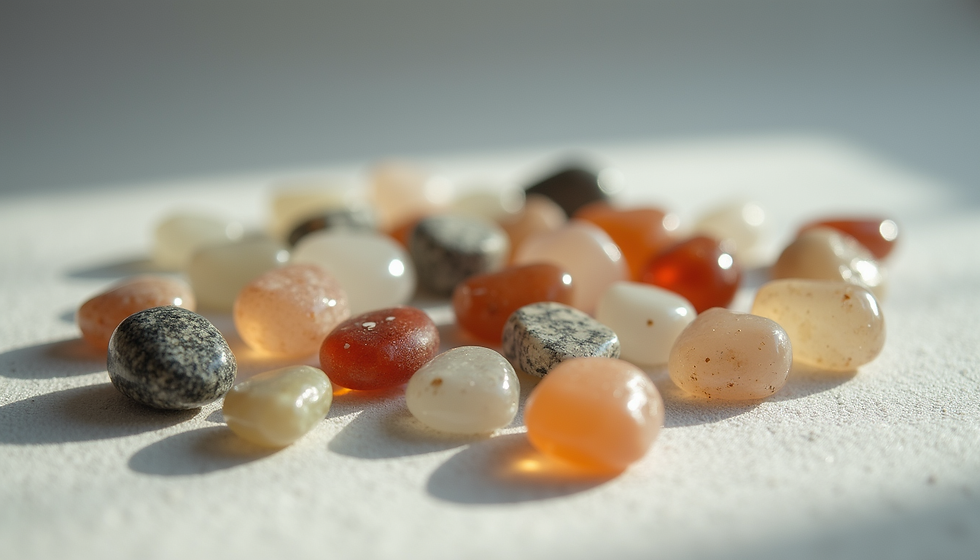
Gemstones have fascinated humanity for thousands of years. Long before modern jewellery stores and polished display cases, ancient civilisations were already drawn to the beauty, mystery, and perceived power of these natural treasures. From protective amulets to symbols of wealth and spiritual connection, gemstones played a vital role in shaping cultures, beliefs, and traditions across the world.
Today, many of these same stones remain accessible and meaningful. Their enduring appeal lies not only in their natural beauty but also in the stories they carry from ancient times.
In this article, we’ll explore when gemstones were first discovered, how we know they were used in ancient civilisations, and the purposes they served. We’ll also examine how different cultures interacted with gemstones and what those practices mean for us today.
For a wide selection of gemstones with roots in ancient history, visit our online store Lireza at lireza.co.za to find your perfect piece of earth's history.

When Were Gemstones First Discovered?
The discovery of gemstones dates back to prehistoric times, long before written history. Archaeological evidence suggests that early humans began collecting colourful stones as far back as 100,000 years ago. These were not polished or cut as we know them today but were valued for their natural appearance.
The earliest known use of gemstones comes from burial sites and early settlements where stones like jasper, agate, and quartz were found shaped into beads and ornaments. These discoveries suggest that even early humans recognised something special about these materials.
By around 3000 BCE, civilisations such as the Egyptians and Mesopotamians had developed more advanced techniques for shaping and polishing gemstones. They began to intentionally mine stones and incorporate them into jewellery, carvings, and ceremonial objects.
The timeline of gemstone discovery can be broadly summarized as:
100,000 BCE: Early humans collect colourful stones
7000–3000 BCE: Use of gemstones in beads and ornaments
3000 BCE onward: Organised mining and craftsmanship emerge
These early interactions mark the beginning of humanity’s deep and lasting relationship with gemstones.
How Do We Know Gemstones Were Used in Ancient Times?
Our understanding of gemstone use in ancient times comes primarily from archaeological discoveries, historical records, and preserved artifacts.
1. Archaeological Evidence
Excavations around the world have uncovered gemstone jewellery, tools, and decorative objects in ancient burial sites and ruins. For example:
Beaded necklaces made of carnelian and jasper found in Indus Valley sites
Egyptian tombs containing lapis lazuli and turquoise jewellery
Roman rings set with amethyst and garnet
These findings show that gemstones were not only used but valued enough to be buried with individuals, often as part of spiritual or ceremonial practices.
2. Ancient Texts and Records
Written records from civilisations such as Egypt, Greece, and India describe gemstones and their meanings. These texts often reference stones in relation to healing, protection, and status. For example:
Ancient Egyptian texts describe turquoise as a stone of protection
Greek writings associate amethyst with clarity and sobriety
Indian Ayurvedic traditions mention gemstones in healing practices
3. Artistic Depictions
Gemstones are also depicted in ancient art, carvings, and sculptures. These visual records help us understand how gemstones were worn and valued.
Together, these sources provide strong evidence that gemstones were deeply integrated into ancient life.
What Purpose Did Gemstones Serve in Ancient Times?
Gemstones were far more than decorative objects in ancient times. They held symbolic, spiritual, and practical significance.
Spiritual and Protective Uses
Many ancient cultures believed gemstones carried protective energies. Stones like turquoise and jasper were worn as amulets to guard against harm, illness, or negative forces.
Healing and Well-being
Gemstones were often used in early healing practices. Ancient people associated certain stones with physical and emotional balance.
Amethyst was believed to calm the mind
Carnelian was thought to boost vitality
Lapis lazuli was linked to wisdom and truth
Status and Wealth
Gemstones were symbols of power and social standing. Even semi-precious stones were highly valued in ancient times due to their rarity and beauty.
Trade and Economy
Gemstones played a role in trade routes across continents. Stones like lapis lazuli were transported over long distances, connecting civilizations and fostering cultural exchange.
Rituals and Ceremonies
Gemstones were used in religious rituals, offerings, and burial practices. They were believed to carry spiritual significance and assist in the journey to the afterlife.
Where Were Gemstones Used in Ancient Civilisations?
Gemstones were used across nearly every ancient civilization, each with its own unique interpretation and application.
Ancient Egypt
Egyptians were among the earliest gemstone enthusiasts. They used stones like turquoise, carnelian, and lapis lazuli in jewellery, burial masks, and amulets. These stones symbolised protection, life, and divine connection.
Mesopotamia
In Mesopotamia, gemstones were used in seals, jewellery, and religious artifacts. Carnelian and agate were especially popular.
Ancient India
India has a long history of gemstone use, particularly in spiritual and healing practices. Stones were linked to planetary influences and personal balance.
Ancient Greece and Rome
Greeks and Romans used gemstones in rings, brooches, and talismans. They also engraved stones with symbols and figures.
China
In ancient China, stones like jade were highly valued, but other gemstones were also used for protection and symbolism.
Why Were Gemstones So Important?
While precious stones like diamonds were rare and less accessible in ancient times, semi-precious gemstones were widely used due to their availability and variety. These stones offered:
A wide range of colours and textures
Easier shaping and carving
Accessibility for different social classes
This made them ideal for both everyday use and ceremonial purposes.
Today, these same stones remain popular because they are affordable, meaningful, and versatile.
If you're inspired by these ancient traditions, you can explore a curated collection of gemstones at Lireza, lireza.co.za, where a wide variety of gemstones are available for modern use—whether for jewellery, spiritual practice, or personal expression.
Table: Ancient Civilisations and Their Use of Gemstones
Civilization | Time Period | Location | Use of Gemstones | Common Gemstones Used |
Ancient Egyptians | 3000–30 BCE | Egypt (Africa) | Amulets, burial items, jewelry | Turquoise, Carnelian, Lapis Lazuli |
Mesopotamians | 3500–500 BCE | Iraq region | Seals, ornaments, trade | Agate, Carnelian, Jasper |
Indus Valley | 3300–1300 BCE | Pakistan/India | Beads, trade goods | Carnelian, Agate |
Ancient Greeks | 800–146 BCE | Greece | Jewelry, talismans | Amethyst, Garnet |
Romans | 500 BCE–476 CE | Europe | Rings, status symbols | Amethyst, Jasper |
Ancient Chinese | 1600 BCE onward | China | Ritual objects, protection | Jade, Agate |
How Ancient Practices Influence Modern Gemstone Use
Many modern beliefs about gemstones have roots in ancient traditions. While interpretations have evolved, the core idea remains the same: gemstones carry meaning beyond their physical form. Today, people use gemstones for:
Personal style and expression
Mindfulness and intention-setting
Gifts with symbolic meaning
Conclusion
Gemstones have journeyed with humanity from the earliest days of civilisation to the modern world. They have been tools of expression, symbols of belief, and objects of beauty. Ancient people saw them not just as decorative items, but as meaningful elements of life—connected to protection, healing, and identity.
By understanding how gemstones were used in ancient times, we gain a deeper appreciation for their continued relevance today. These stones are more than just materials; they are pieces of history that we can still hold, wear, and connect with.
By embracing gemstones with awareness and intention, you continue a tradition that spans thousands of years—one that connects the past, present, and future in a truly timeless way.
For those looking to bring this timeless energy into their lives, visiting Lireza at lireza.co.za, offers an opportunity to explore gemstones that echo the same beauty and purpose valued thousands of years ago.